
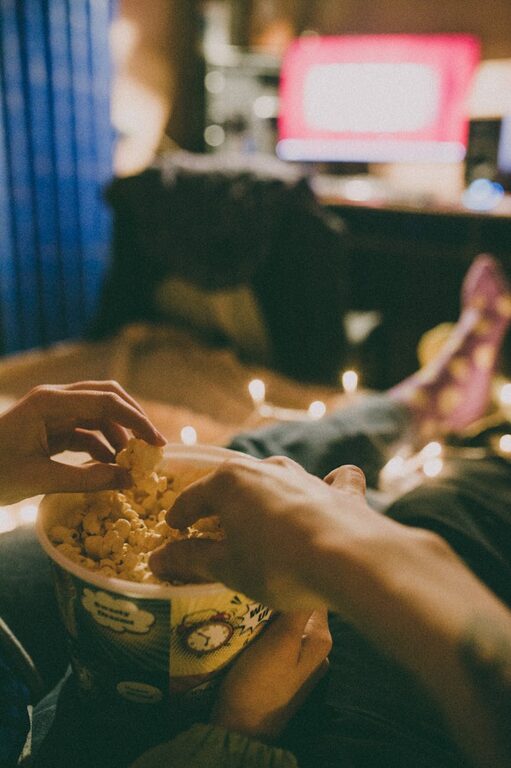
In today’s digital world, many of us spend hours looking at screens—from phones and tablets to computers and TVs. While screens are essential for work and entertainment, the type and intensity of light they emit can interfere with our natural sleep patterns and make it harder to relax in the evening. That’s why planning a “screen-light evening”—an evening where you manage screen usage and lighting thoughtfully—is an excellent way to promote relaxation and prepare your body for restful sleep.
In this post, we’ll explain what a screen-light evening is and how to plan one to improve your evening routine.
What Is a Screen-Light Evening?
A screen-light evening involves consciously adjusting the way you use screens and manage lighting in the hours leading up to bedtime. The goal is to reduce exposure to blue light, which can disrupt your natural sleep cycle, and to create an environment that feels calm and restful.
This approach doesn’t mean you have to give up screens entirely. Instead, it focuses on gentle lighting choices and mindful screen habits to support your well-being.
Why Is Managing Screen Light Important?
Electronic devices emit blue light, which mimics daylight and can confuse your brain into thinking it’s still daytime. This delays the production of melatonin, a hormone that regulates sleep. Lower melatonin levels can lead to difficulty falling asleep and poorer sleep quality.
By managing screen light, you help your body recognize that it’s time to wind down, which promotes relaxation and better sleep.
How to Plan Your Screen-Light Evening
Below are practical steps to guide you toward a more screen-light friendly evening.
1. Set a Screen Curfew
Establish a time in the evening when you stop using all screens—ideally, at least one hour before bedtime. For example, if you plan to sleep at 10 p.m., avoid screens after 9 p.m. This helps reduce blue light exposure when it matters most.
2. Use Blue Light Filters or Night Mode
If you need to use screens later in the evening, activate blue light filtering features on your devices. Most smartphones, tablets, and computers have a “night mode” or “blue light filter” setting that reduces blue light emissions.
There are also apps and software like f.lux or Iris that adjust screen color temperatures based on the time of day.
3. Adjust Room Lighting
Switch to warm, dim lighting in your living areas during the evening. Avoid bright overhead lights; instead, use lamps or string lights with soft, warm bulbs that mimic natural dusk lighting. This signals your brain to start preparing for sleep.
4. Create a Relaxing Screen Routine
If you want to watch TV or play games before bed, choose programs or activities that are calming rather than stimulating. Avoid intense action, horror, or suspenseful stories right before sleep.
Consider pairing screen time with other relaxing habits like sipping herbal tea or gentle stretching.
5. Use Physical Book or Audiobooks
Replace some screen time with non-screen alternatives like reading a physical book or listening to audiobooks or podcasts with soothing content. This reduces screen exposure while still enjoying entertainment or learning.
6. Manage Notifications and Alerts
Turn off or mute notifications in the evening. Sudden sounds or bright pop-ups can interrupt your calm environment and make it harder to focus on winding down.
7. Limit Caffeine and Heavy Meals
While not directly related to screens, caffeine and large meals late in the evening can affect your sleep quality. Pair your screen-light evening with mindful eating habits to get the best results.
Sample Screen-Light Evening Schedule
Here’s a simple example of how your screen-light evening might look:
– 7:00 p.m.: Finish dinner, reduce overhead lights to warm lamps
– 7:30 p.m.: Engage in relaxing screen time (TV show or gaming with night mode on)
– 8:30 p.m.: Turn off screens, switch to audiobook or reading with a bedside lamp
– 9:30 p.m.: Prepare for bed—gentle stretches, herbal tea, turn off all lights
– 10:00 p.m.: Lights out for restful sleep
Benefits of a Screen-Light Evening
Planning and following a screen-light evening can:
– Help you fall asleep faster
– Improve the quality of your sleep
– Reduce eye strain and headaches
– Enhance your overall mood and relaxation
– Support healthier screen habits
Tips for Staying Consistent
– Make it a daily routine to help your body adjust
– Share your plan with household members for support
– Experiment with what lighting and screen timing works best for you
– Keep your bedroom a screen-free zone
Final Thoughts
A screen-light evening is a practical and gentle way to support your body’s natural rhythms in our screen-heavy world. By managing the light from your devices and the lighting in your home, you can enjoy your favorite activities while preparing yourself for a restful night’s sleep.
Give these tips a try, and you might find your evenings more relaxing and your mornings more refreshed!