
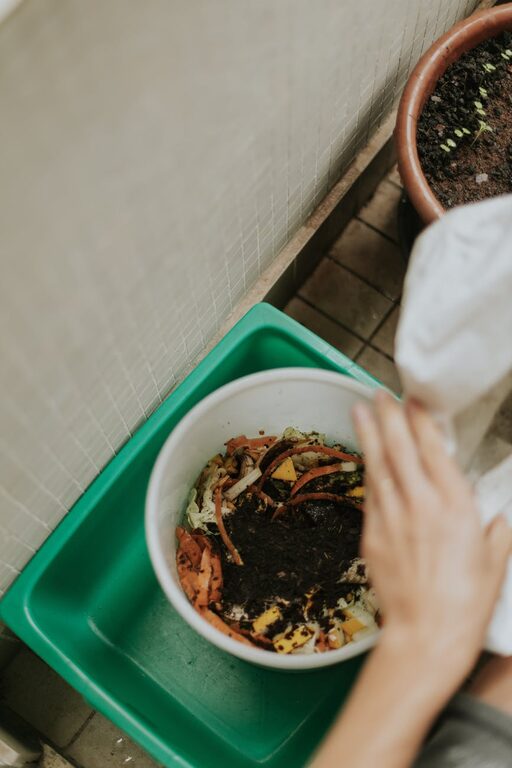
Composting at home is a simple and effective way to reduce household waste and create nutrient-rich soil for your garden. If you’re new to composting, the process can seem intimidating, but with a few basic steps and some handy tips, you can get started easily and enjoy the benefits of a thriving compost pile.
In this post, we’ll explore beginner-friendly tips to help you compost successfully at home.
What Is Composting?
Composting is the natural breakdown of organic materials—such as food scraps, leaves, and garden trimmings—into a dark, crumbly substance called humus. This nutrient-rich material improves soil health, supports plant growth, and helps reduce the amount of waste sent to landfills.
Why Compost at Home?
– Reduce landfill waste: Composting diverts a significant portion of household waste from the trash.
– Improve garden soil: Compost adds essential nutrients to your garden, promoting healthy plant growth.
– Save money: Using homemade compost can reduce the need for chemical fertilizers.
– Support environment: Composting helps reduce greenhouse gas emissions from organic waste.
Getting Started: Beginner Composting Tips
1. Choose a Composting Method
There are several ways to compost at home, depending on your space and preferences:
– Compost bin: A contained box designed to keep pests out and retain moisture. Available in various sizes.
– Compost pile: An open heap, suitable for larger yards.
– Tumbler: A rotating container that speeds up composting by mixing materials regularly.
– Vermicomposting: Using worms to break down food scraps, ideal for indoor composting.
For beginners, a compost bin or tumbler is often easiest to manage.
2. Pick the Right Location
– Find a dry, shaded spot with good air circulation.
– Avoid placing your compost where it will be waterlogged or exposed to extreme sun.
– Make sure it’s accessible so you can add materials regularly.
3. Understand What to Compost
Compost works best when you balance “greens” and “browns.”
– Greens: Nitrogen-rich materials that are moist and fresh.
– Examples: vegetable scraps, coffee grounds, grass clippings, fruit peels.
– Browns: Carbon-rich, dry materials that help absorb excess moisture.
– Examples: dry leaves, straw, shredded paper, cardboard.
Maintaining roughly a 2:1 ratio of browns to greens helps the compost break down efficiently and prevents odors.
4. Avoid Composting These Items
To keep your compost healthy and pest-free, avoid adding:
– Meat, dairy, and oily foods (attract pests and cause smell)
– Diseased plants or weeds that might spread
– Pet waste (can contain harmful bacteria)
– Treated wood or chemically contaminated materials
5. Chop or Shred Larger Pieces
Cutting food scraps and garden waste into smaller pieces speeds up decomposition by increasing surface area for microbes to work on.
6. Maintain Moisture and Aeration
– Your compost pile should be as damp as a wrung-out sponge—not too dry or too wet.
– Turn or mix the compost every 1–2 weeks to provide oxygen and help materials break down faster.
– If compost is too wet, add more browns; if too dry, sprinkle water lightly.
7. Be Patient and Observe
Composting takes time, generally 2 to 6 months depending on conditions.
You’ll know it’s ready when the material looks dark, crumbly, and earthy with no recognizable food scraps.
Benefits of Home Composting
– Enriches soil naturally: Compost improves texture, drainage, and nutrient content.
– Supports plant health: Plants grow stronger with compost, reducing the need for fertilizers.
– Promotes biodiversity: Compost encourages beneficial soil organisms like earthworms.
– Reduces waste: Cut down on trash and lower your carbon footprint.
Troubleshooting Common Issues
– Bad odors: Likely too many greens or moisture—add browns and turn the pile.
– Pests: Use a closed bin, avoid meat and oily foods, and bury scraps.
– Slow decomposition: Chop materials smaller and turn pile more often.
Final Thoughts
Starting composting at home is easier than you might think. With just a compost bin, some kitchen scraps, and a little patience, you can begin turning waste into valuable soil for your garden. Not only will you reduce your environmental impact, but you’ll also enjoy the satisfaction of nurturing your plants with your own homemade compost.
Happy composting!
—
If you want to learn more about gardening and eco-friendly living, stay tuned for future posts with helpful tips and tricks!