
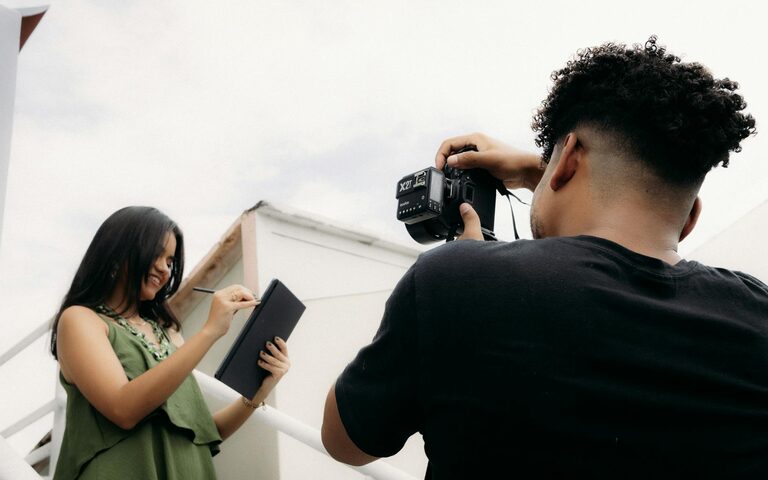
Taking great photos with your phone is easier than ever thanks to advances in camera technology. Whether you want to capture everyday moments or create eye-catching images, knowing some basic tips can make a big difference. This guide covers beginner-friendly advice to help you take better phone photos, no fancy equipment needed.
Understand Your Phone Camera
Before diving into techniques, spend some time exploring your phone’s camera app. Most smartphones come with multiple shooting modes and settings. Familiarize yourself with features such as:
– HDR (High Dynamic Range): Helps balance bright and dark areas. Turn it on for landscapes or high contrast scenes.
– Grid lines: Shows a 3×3 grid to help with composition based on the “rule of thirds.”
– Focus and exposure controls: Learn to tap on your subject on the screen to focus and adjust brightness.
– Zoom: Avoid digital zoom as it reduces quality. Instead, move closer to your subject if possible.
Understanding your camera’s capabilities will help you use tools effectively.
Composition Basics
Good composition transforms ordinary photos into memorable images. Here are some easy composition tips:
Use the Rule of Thirds
Enable grid lines and position your main subject along the grid intersections rather than dead center. This creates balance and draws viewers’ eyes naturally.
Find Leading Lines
Look for lines such as roads, fences, or pathways that lead toward the subject. Leading lines add depth and guide attention.
Frame Your Subject
Use natural elements like doorways, windows, or branches to frame your subject. This adds interest and highlights the focus of your photo.
Keep It Simple
Avoid cluttered backgrounds or too many elements. A clean background ensures your subject stands out clearly.
Lighting Matters
Lighting is one of the most important factors that affect photo quality.
Shoot in Natural Light
Natural daylight produces more vibrant and realistic colors than artificial lighting. Try to take photos outdoors or near windows.
Avoid Harsh Midday Sun
Midday sunlight creates strong shadows and highlights. Early morning or late afternoon light, called “golden hour,” provides warm, soft light ideal for photos.
Use Shadows Creatively
Shadows add depth and textures to images. Experiment with angles to see how shadows can enhance your composition.
Avoid Using Flash
Phone flashes often create harsh, unnatural light. Instead, use available natural light or adjust your position for better lighting.
Keep Your Phone Steady
Blurry photos often happen when the phone moves while shooting.
– Hold your phone with both hands for more stability.
– Lean against a solid surface or use a tripod designed for smartphones.
– Use your device’s timer or voice commands to avoid shaking when pressing the shutter button.
Experiment with Angles and Perspectives
Don’t just shoot photos from eye level. Try different angles for more creative shots:
– Shoot from low angles looking up.
– Capture from high above looking down.
– Get close for detailed macro shots or zoom out for wide scenes.
Changing perspectives adds interest and variety to your photos.
Editing Your Photos
Basic photo editing can improve your images dramatically. Most phones have built-in editing tools or free apps like Snapseed or VSCO.
Simple Edits to Try
– Crop: Remove distractions or improve composition.
– Adjust brightness and contrast: Make sure your photo isn’t too dark or washed out.
– Enhance colors: Boost saturation slightly for more vivid colors.
– Sharpen: Add a little sharpness for clearer details.
Avoid over-editing which can make photos look unnatural.
Practice Regularly
Like any skill, improving your phone photography requires practice. Challenge yourself to take a set number of photos daily or focus on different themes like nature, portraits, or urban scenes. Review your shots to see what works and refine your approach.
Bonus Tips for Better Phone Photos
– Clean your lens regularly to avoid blurry or foggy images.
– Use burst mode for action shots to capture the perfect moment.
– Turn off filters for original photos; add effects later after you shoot.
– Experiment with manual mode if your camera app offers it, giving more control over settings like ISO and shutter speed.
—
Improving your phone photography doesn’t require expensive gear or expert knowledge. By understanding your camera, paying attention to composition, lighting, and practicing often, you can take stunning photos that you’ll be proud to share. Grab your phone and start experimenting today!